Iran’s steel exports surpass $6.5 billion in 10 months: ISPA
| 04/January/2026 | 13:21
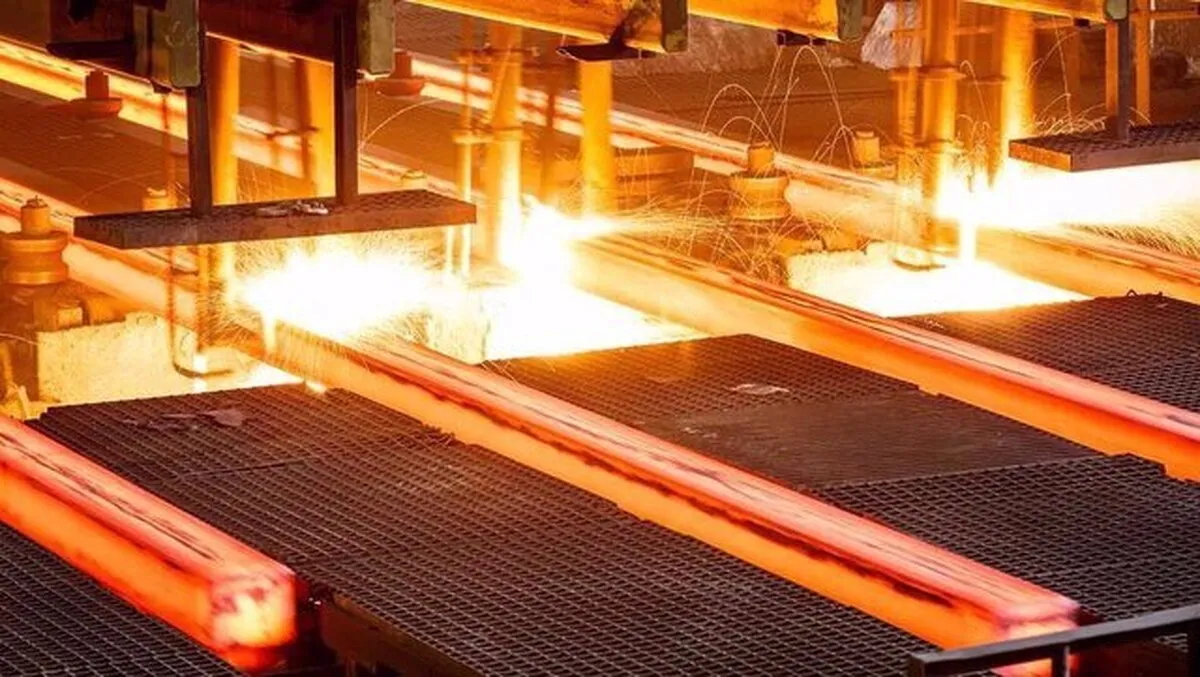
Figures from the World Steel Association (worldsteel) showed that Iranian steel mills produced about 3.4 million metric tons (mt) of steel in November, up 9.2% from the same month last year.
The output allowed Iran to retain its position as the world’s tenth-largest steel producer in November and register one of the highest monthly growth rates in steel production globally, the figures showed.
The data indicated that among the world’s 10 leading steel producers, only India, the United States, Brazil, and Iran reported growth in production in November, while top producer China recorded a second consecutive monthly decline, with output falling by 10.9%.
Total steel output by the 70 producing countries surveyed by Worldsteel fell by 4.6% year-on-year to 140.1 million mt in November and declined by 2% to more than 1.622 billion mt in the first 11 months of the year.
Iran’s steel production over the 11-month period reached 28.8 million mt, up 0.1% compared with the same period a year earlier, the figures showed.
The data also showed that Iran accounted for around 62% of total steel production in the West Asia region, which includes producers such as Iraq, Jordan, Kuwait, Oman, Qatar, Saudi Arabia, and Yemen.
Iran has maintained its position as a major steel producer this year despite facing acute energy supply constraints and rising costs, which many analysts attribute to foreign sanctions as well as broader global supply-and-demand challenges.
Steel mills in the country reported natural gas supply disruptions during colder months and electricity shortages during the summer, when higher household demand prompted authorities to impose restrictions on industrial energy consumption./isna