‘Mind Your Malnutrition Rates’, Qalibaf Tells Trump
| 01/December/2025 | 12:21
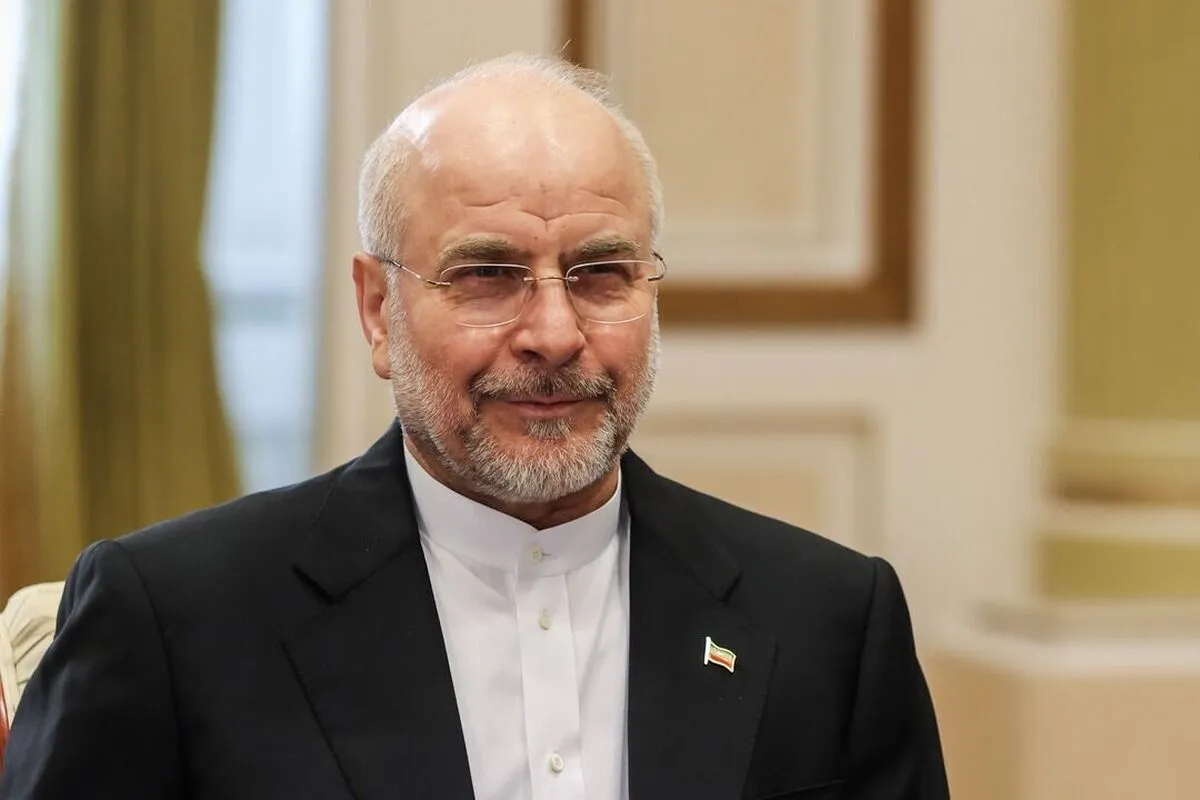
The parliament speaker told a gathering of senior media executives that Israeli regime forces “became passive on the fifth and sixth days because their land and sky were in our hands, and wherever we intended, we struck.”
The meeting, held Saturday ahead of Parliament Day, brought together dozens of media managers from across Iran’s political spectrum for more than three hours of discussion.
Participants raised criticisms, questions, and proposals on national issues, including media policy.
In his closing remarks, Qalibaf said the regional landscape had changed after the 12-day war and argued that the Israeli regime, backed fully by the current US administration, had failed to achieve its aims.
He cited Israeli military aggressions in Syria, Lebanon, Iraq, and Qatar as evidence of the regional scale of confrontation and said Iran must maintain “preparedness and power” in dealing with a persistent threat.
Qalibaf praised Iranian missile forces, saying their operations shifted the balance of firepower by the fifth and sixth days, allowing Iran to increase accuracy and tempo while Israeli air assets “could not even land in their own airports at times.”
He said Israeli forces were eventually unable to sustain their early momentum, prompting the US vice president’s deputy, Vance, to seek contact with Iran on the sixth day to push for a ceasefire, adding that Washington was willing to meet Iran’s foreign minister “anywhere.”
He argued the Israeli regime “did not reach any of its objectives” and said Iran’s strength ultimately derived from public unity rather than missiles alone.
Qalibaf said Iran’s military capabilities had improved in quantity and quality, citing operational, technical, and tactical lessons from the past year and the recent conflict.
He warned that social cohesion required serious attention and said media institutions played a critical role in sustaining public trust.
He said no force had previously placed Tel Aviv under sustained fire and insisted Iran had demonstrated its capacity to strike US interests as well, referencing past missile attacks on US Central Command facilities.
He said intelligence forces indicated significant damage from Iranian missiles despite Israeli reliance on the Iron Dome and other Western defensive systems.
Qalibaf said Iran’s missile operations penetrated multiple layers of regional air-defense networks linked to NATO and US-backed systems.
He included that US President Donald Trump had collected “USD 4 billion from Arab states” in 2016 to build a joint regional air-defense structure supplementing Israel’s Iron Dome and other Western missile shields.
Qalibaf added that Iranian forces “passed through these NATO defense layers” during the first days of the conflict and forced Israeli aircraft into diversion landings at airports in other countries.
He said Iranian drones matched the number of Israeli aircraft in the sky during early phases of the fighting, asserting that foreign-backed defensive architecture failed to stop Iranian strikes./tasnim