Gharibabadi: Strait of Hormuz Will Not Return to Pre-War Arrangements; Leaving NPT No Longer Taboo
| 26/December/2025 | 20:41
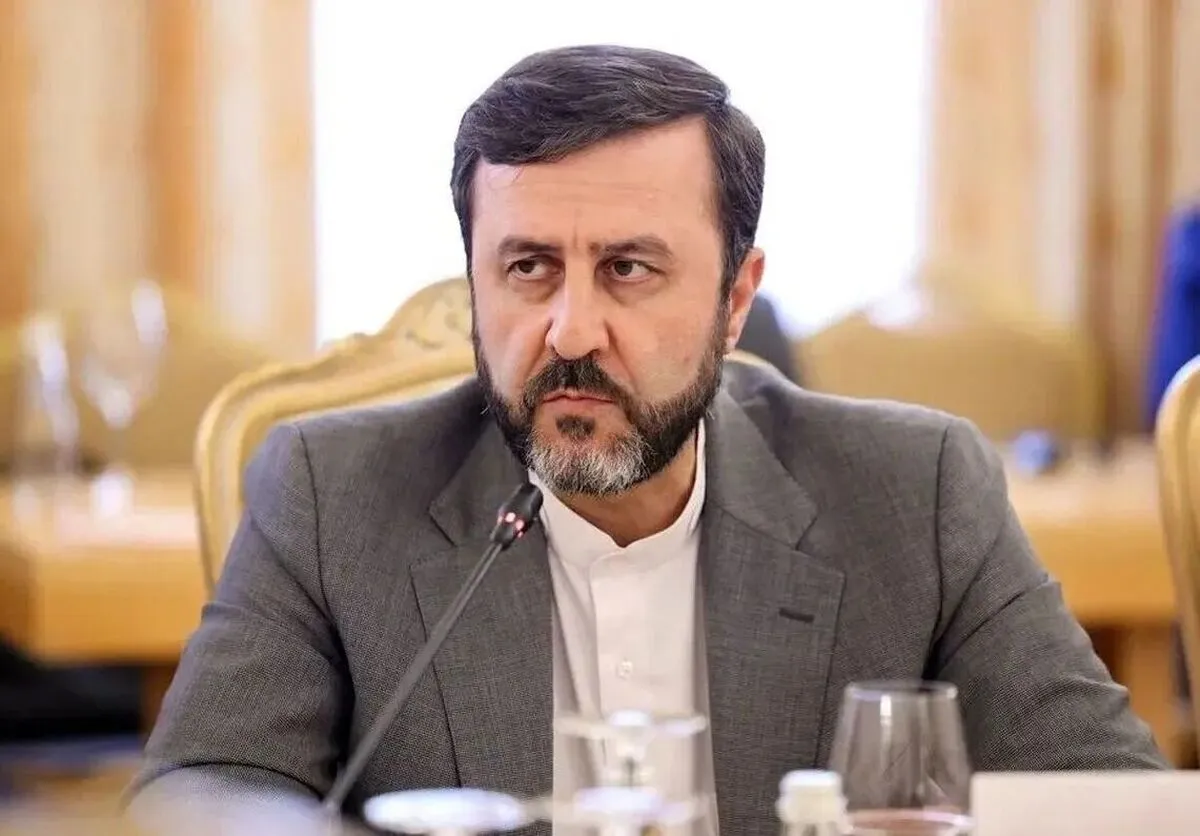
Gharibabadi made the remarks on Thursday, saying enmity towards Iran did not stem from its nuclear program, but from the Islamic nature of its ruling establishment, the country’s independence, and its progress.
He stressed that hostility towards the Islamic Republic was rooted in opposition to these fundamentals rather than any technical or diplomatic dispute over the nuclear file.
Gharibabadi pointed out that the indirect negotiations with the new US administration that preceded the war, were being conducted with complete mistrust of Washington and alongside full preparedness to confront any potential military action.
He noted that, given the state of wariness, diplomacy and defensive preparedness proceeded in parallel and in coordination throughout the negotiation period.
Reiterating absence of any link between the war and the nuclear issue, the official said Iran’s enemies had been preparing for the aggression for many years.
He reminded that in addition to targeting innocent civilians and residential areas, the war took aim at parts of Iran’s infrastructure.
According to Gharibabadi, the Israeli regime and the United States suffered a complete failure in their military action and stopped short of achieving their strategic objectives.
He said that the Islamic Republic, in turn, inflicted heavy and painful blows on the regime, to the point that it was forced to seek a ceasefire.
The diplomat also described Iran’s forceful strike on a US military base in retaliation to Washington’s cooperation with the regime in the war, served as a clear sign of the country’s strength.
Gharibabadi, meanwhile, noted that the creation of international consensus to condemn the aggressors, national unity and cohesion inside Iran in the face of the strikes, and regional countries’ acknowledgment that the Zionist regime represented the main threat to the region, were among the most important issues that had to be highlighted when assessing the 12-day war.
In closing, the deputy foreign minister praised the wise and astute instructions provided by Leader of the Islamic Revolution Ayatollah Seyyed Ali Khamenei that informed the nation’s defensive and retaliatory maneuvers throughout the Israeli-American atrocities./irna