Iranian President Signs Islamabad MoU with US
| 10/April/2026 | 20:16
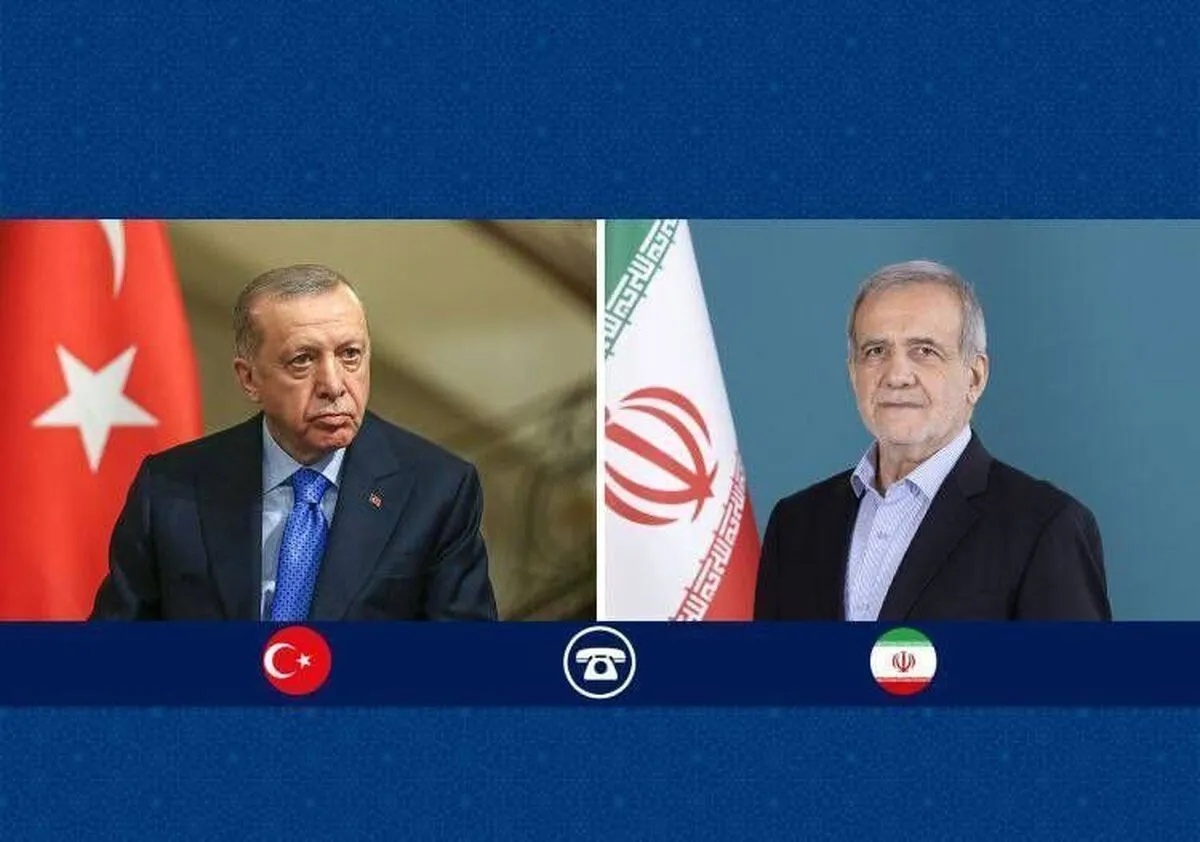
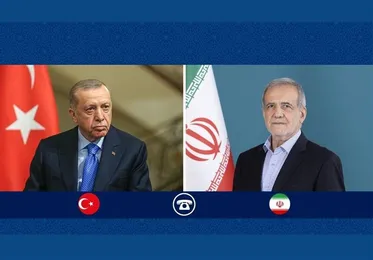
During a telephone conversation late on Thursday, Pezeshkian expressed his appreciation for the efforts of a number of friendly neighboring countries in attempting to halt military aggression against Iran. He particularly acknowledged Turkiye’s stance in condemning the unjust aggression by the US and Israeli regime against Iran, as well as the significant solidarity shown by the Turkish people with the Iranian nation.
The president emphasized that despite the betrayal of diplomacy by the US and its aggression against Iran during the previous two rounds of negotiations, the Islamic Republic of Iran has responsibly accepted the requests from neighboring and friendly countries to cease hostilities and establish a ceasefire.
He stressed the necessity of ending the war on all fronts, including Lebanon, asserting that the Israeli regime’s actions are aimed at inciting further unrest in the region. Pezeshkian also called for Islamic countries to unite against the war-mongering practices of the Israeli regime, which threaten the stability and peace of the region.
He also pointed out the importance of pressuring the international community and Islamic countries on the US and the Israeli regime to stop their aggressions and crimes against countries in the region, particularly Lebanon.
Pezeshkian reiterated that Iran’s responsible approach to accepting the ceasefire aims to preserve regional stability and prevent the escalation of conflicts, noting that the continuation of the ceasefire relies on the actual commitment of the opposing side to its obligations.
For his part, Erdogan expressed his wishes for success, dignity, and honor for Leader of the Islamic Revolution Ayatollah Seyyed Mojtaba Khamenei and for the Iranian administration and people, extending condolences for the martyrdom of several Iranian citizens and wishing a swift recovery for the injured. He reaffirmed Turkiye’s solidarity with the Islamic Republic of Iran.
Erdogan expressed satisfaction with the cessation of hostilities, emphasizing Turkiye’s readiness to collaborate with friendly countries in the region to continue efforts for a definitive end to the war and the establishment of sustainable security.
The US and the Israeli regime launched a large-scale unprovoked military campaign against Iran following the assassination of then Leader of the Islamic Revolution Ayatollah Seyyed Ali Khamenei, along with several senior military commanders and civilians, on February 28.
In retaliation, Iranian Armed Forces launched attacks on American and Israeli positions in the region, demonstrating their capability to strike back effectively. Despite initial expectations by the attackers of a swift victory, the Iranian response proved significantly more potent, inflicting heavy damage on US and Israeli military resources while rallying the nation's unity and resistance.
While the US president had issued an ultimatum, Pakistani mediation facilitated an agreement for a two-week ceasefire during which negotiations would take place in Islamabad. Iran has proposed a ten-point plan as the foundation for discussions, seeking terms such as the withdrawal of US forces from the region, lifting sanctions, and establishing control over the Strait of Hormuz.
The Supreme National Security Council of Iran emphasized on April 8 that the aggression led to a historic victory for Iran, compelling the US to accept negotiation terms, including a plan for guaranteed non-aggression and the cessation of hostilities./irna