


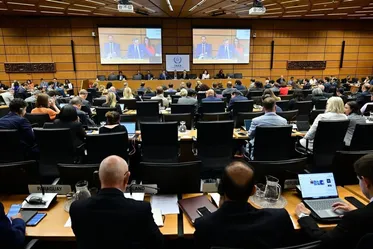
Iran condemns US strikes on nuclear sites under Safeguards Agreement
| 13/May/2026 | 18:31
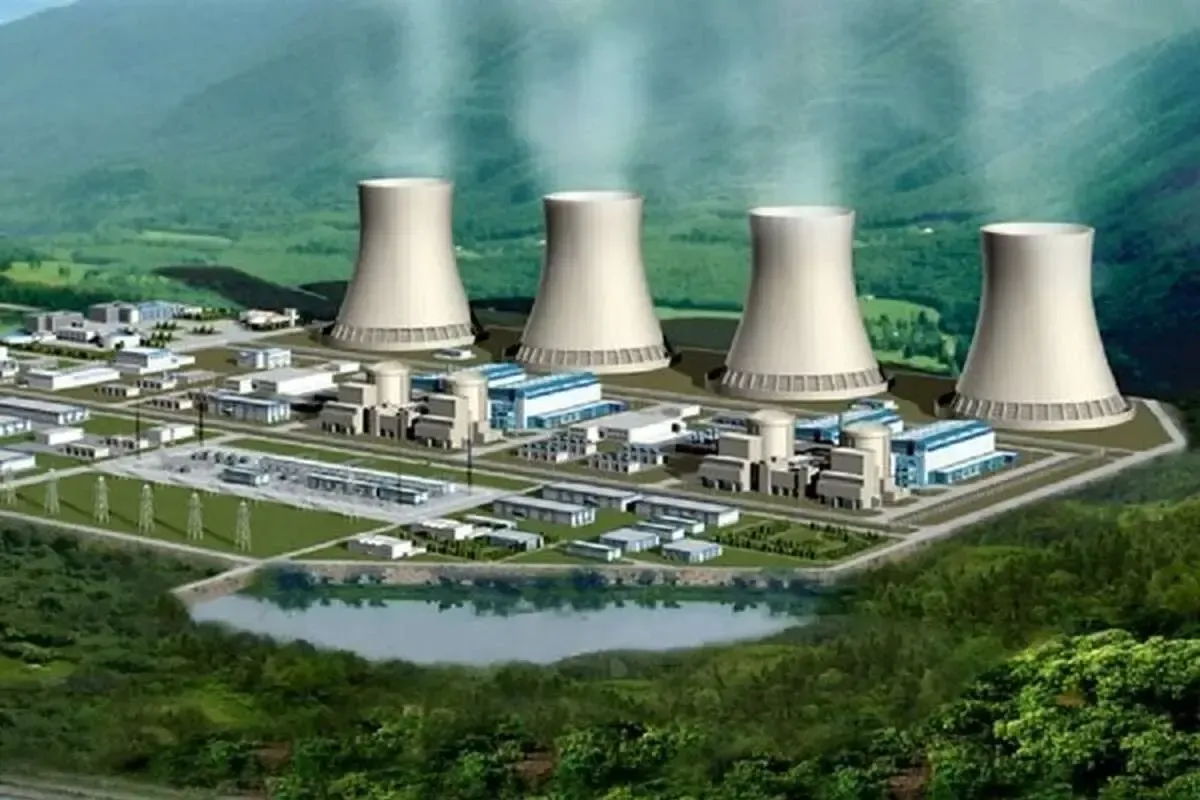
“The disruptions in oil and gas have driven up electricity generation costs and increased the price of baseload power, making nuclear energy an attractive alternative for secure power generation,” The Strait Times quoted Citi commodity strategist Arkady Gevorkyan as saying.
These measures come as traffic in the Strait of Hormuz has been disrupted following the US-Israeli aggression; a strait through which about 20% of the world's oil trade passes, and any disruption in it can confront global markets with price shocks and instability.
“Markets that rely on one source or two sources of energy for power generation are not immune to any sort of cataclysms or events when there is a power disruption,” he added.
Meanwhile, Tan-Soo Jie-Sheng from NUS’ Lee Kuan Yew School of Public Policy said that even before the war, interest in nuclear energy was growing due to rapid electricity demand, the need to decarbonize, land constraints, and the intermittency of renewables.
While the conflict has “reinforced and accelerated” the underlying rationale for nuclear energy, such a strategy hinges on long-term commitment and resolve, he added.
Several Southeast Asian countries have also taken practical steps in recent years to enter the field of nuclear energy.
Vietnam has signed an agreement with Russia to build a nuclear power plant with a capacity of 2,400 megawatts and has set a goal to bring its first nuclear power plant online by 2030.
Malaysia has also announced that, within the framework of its national development program, it is conducting a comprehensive assessment on the feasibility of developing nuclear energy. Malaysian officials have emphasized that geopolitical instability and fluctuations in the global fuel market have increased the necessity of considering this option.
In the meantime, Dinita Setyawati, a senior energy analyst at energy think-tank Ember said, “It would take years, even decades of investment, to train skilled personnel, establish robust regulatory and safety institutions, and identify suitable sites based on geological, environmental and social criteria.”
Some countries, such as Thailand, Indonesia and Vietnam, have pivoted to coal as a fallback./irna