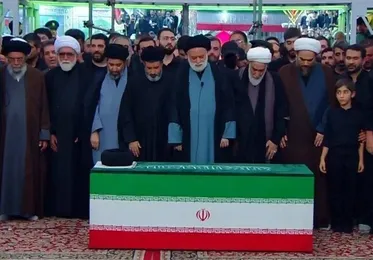
Martyred Leader Laid to Rest in Mashhad after Massive Farewell, Funeral Ceremonies
| 28/June/2026 | 19:02
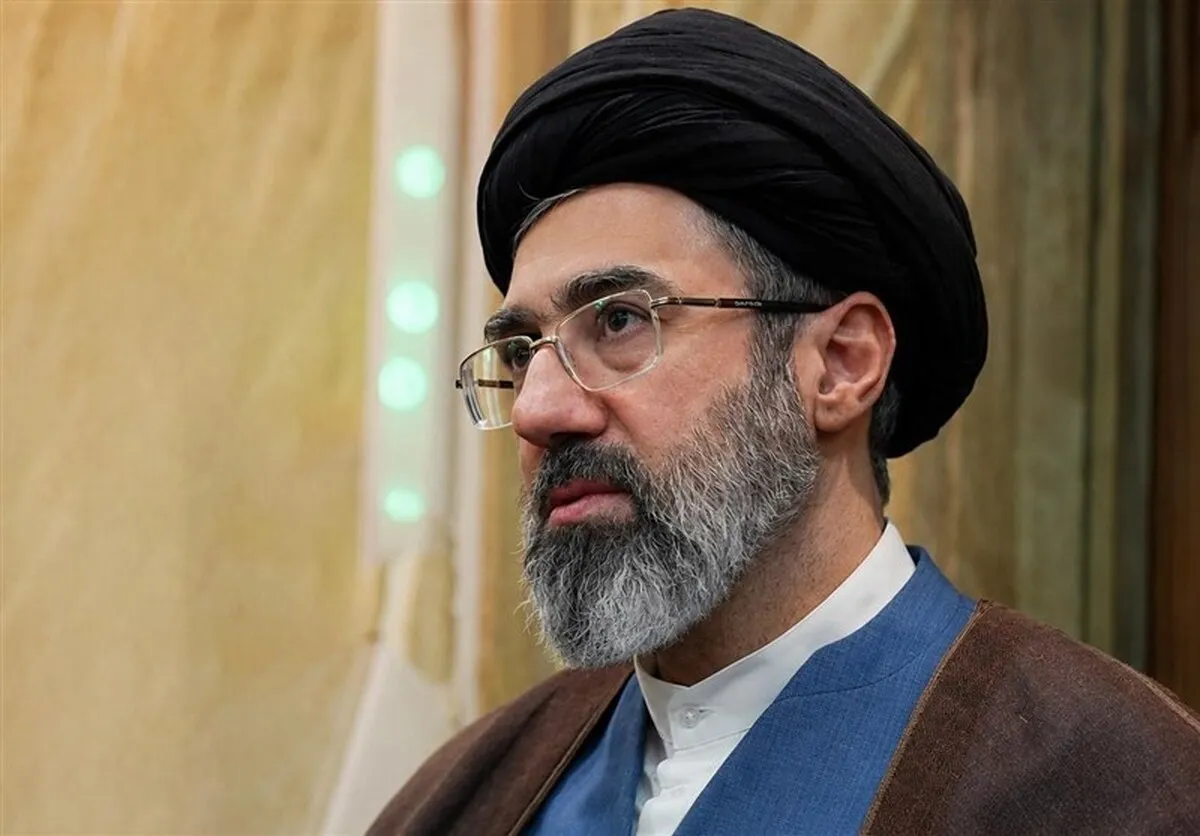
In a message released on Sunday, June 28, marking Judiciary Week and the anniversary of the martyrdom of Ayatollah Beheshti and his companions, Ayatollah Seyed Mojtaba Khamenei described the mission of Iran’s judiciary as safeguarding people’s rights, restoring public rights and legitimate freedoms, combating corruption, administering justice, enforcing divine laws, and ensuring the rule of law.
The Leader emphasized that successful performance in these areas would strengthen public trust in the system.
Ayatollah Khamenei offered condolences on the days of mourning for Imam Hussein (AS), describing the Ashura uprising as an enduring lesson in standing for truth, justice, and resistance against oppression. He linked the ideals of the Islamic Revolution to the principles embodied in the movement of Imam Hussein (AS).
The Leader stressed that society now expects visible and practical judicial transformation. He said reforms should not remain confined to policy documents and strategic plans but must appear in every aspect of judicial performance—from courtrooms to public life.
According to the message, people should experience the effects of reform through decisive action against corruption, reduced violations of rights, faster handling of cases, improved judicial integrity, stronger judicial rulings, and easier access to justice.
Ayatollah Khamenei further stated that justice should reach a level where every oppressed person regards the Judiciary as a secure refuge and where influence, personal connections, recommendations, and privileged access hold no advantage in judicial processes.
The Leader also underlined that protecting people’s rights extends beyond individual disputes and includes broader public rights such as economic security, fair access to opportunities, environmental protection, legitimate freedoms, and effective governance.
The Leader identified one of the country’s most important judicial priorities as pursuing the rights of the Iranian nation regarding crimes committed in 2025 and 2026 by international criminals and aggressors.
He said cases related to casualties, material and psychological damage, attacks on civilians, medical and service facilities, and war crimes in Minab and Lamerd, as well as the martyrdom of late Leader of the Islamic Revolution Ayatollah Seyed Ali Khamenei should be pursued seriously in domestic and international courts.
Ayatollah Seyed Mojtaba Khamenei added that public acknowledgements and statements by some American and Israeli officials regarding those incidents constitute evidence that should contribute to legal proceedings and efforts to restore violated rights.
The Leader also called for continued implementation of previous judicial directives concerning investigations into wartime crimes and said extending such legal follow-up would help prevent similar incidents in the future.
The Leader concluded by emphasizing that comprehensive judicial transformation requires sincerity, piety, determination, courage, innovation, effective use of modern technologies, and smart governance, expressing hope that these goals would be achieved through sustained efforts./tasnim