Iran Denies Planning to Charge Tolls in Strait of Hormuz
| 04/July/2026 | 17:18
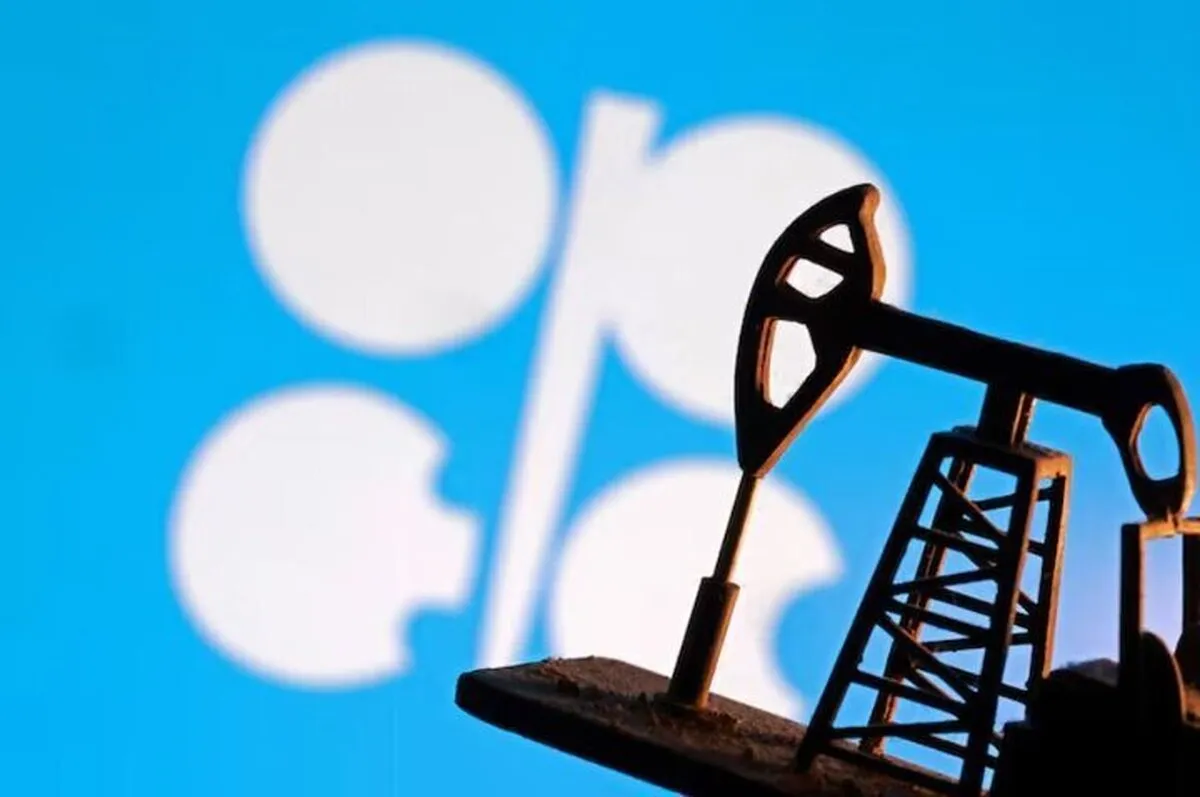
The survey showed that OPEC's oil production rose by 2.34 million barrels per day in June, reaching 18.75 million barrels per day, driven by higher output from Kuwait, Saudi Arabia, and Iran. However, production remains considerably below pre-war levels.
Prior to the peace agreement and the closure of the Strait of Hormuz, Gulf producers had attempted to maintain exports through alternative routes. With the signing of the Iran-US memorandum and the reopening of the strait, tanker-tracking data indicates that Saudi shipments have reached 90 percent of typical rates.
The increase in supply, coming amid subdued fuel demand in China, is creating a surplus in parts of the market, erasing crude's wartime rally and raising questions about whether OPEC countries will need to compete for customers. Brent futures traded near $72 per barrel on Friday.
Even after adjusting for the UAE's exit from the group, OPEC's June production remained 7.3 million barrels per day, or 28 percent, below February levels. The UAE left OPEC in May, freeing it to pump at will once the strait fully stabilizes.
Major members of the wider OPEC+ alliance, which includes countries such as Russia, are scheduled to hold a monthly video conference on Sunday to discuss production quotas for the coming month. The seven-member subgroup of OPEC+ has announced a series of small, symbolic production increases during the war to continue the theoretical process of restoring output. Two delegates said this week they expect another small hike in quotas of 188,000 barrels per day in August.
According to the Bloomberg survey, Kuwait posted the biggest increase among OPEC's 11 members last month, boosting output by 870,000 barrels per day to 1.36 million barrels per day. The country's production was slashed 80 percent by the conflict and still remains significantly below typical rates.
The next-biggest gain in June was in Saudi Arabia, which raised output by 550,000 barrels per day to an average of 7.2 million barrels per day. That was followed by Iran, which hiked by 510,000 barrels per day to pump 2.85 million barrels per day.
In the wider alliance, Russia has increased its crude oil exports to unprecedented levels following Ukrainian attacks on its refineries, likely offering to foreign markets volumes it cannot process domestically.
Bloomberg's production survey is based on ship-tracking data, information from officials, and estimates from consultants Rapidan Energy Group, Rystad Energy, and FGE NexantECA./isna