Iranian envoy tells Europe: Normalizing US crimes does not guarantee your security
| 04/December/2025 | 20:07
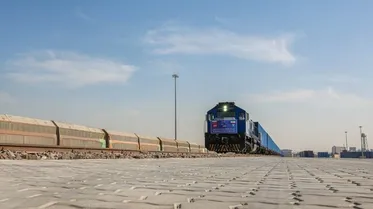
Shahryar Naqizadeh, Director-General for International Commerce at the Iranian Railways, said the Southern Corridor passing through Iran is the safest and most economical rail route for freight transport from China to Europe.
In an interview with IRNA, he referred to the recent six-party railway agreement signed in Istanbul between Iran, China, Uzbekistan, Turkey, Turkmenistan, and Kazakhstan. He said a meeting was held earlier this year in Beijing focused on developing the East-West corridor through Iran with representatives of these countries.
According to Naqizadeh, the participating states agreed to apply unified tariffs and reduce transit times to activate the southern branch of the East-West rail corridor.
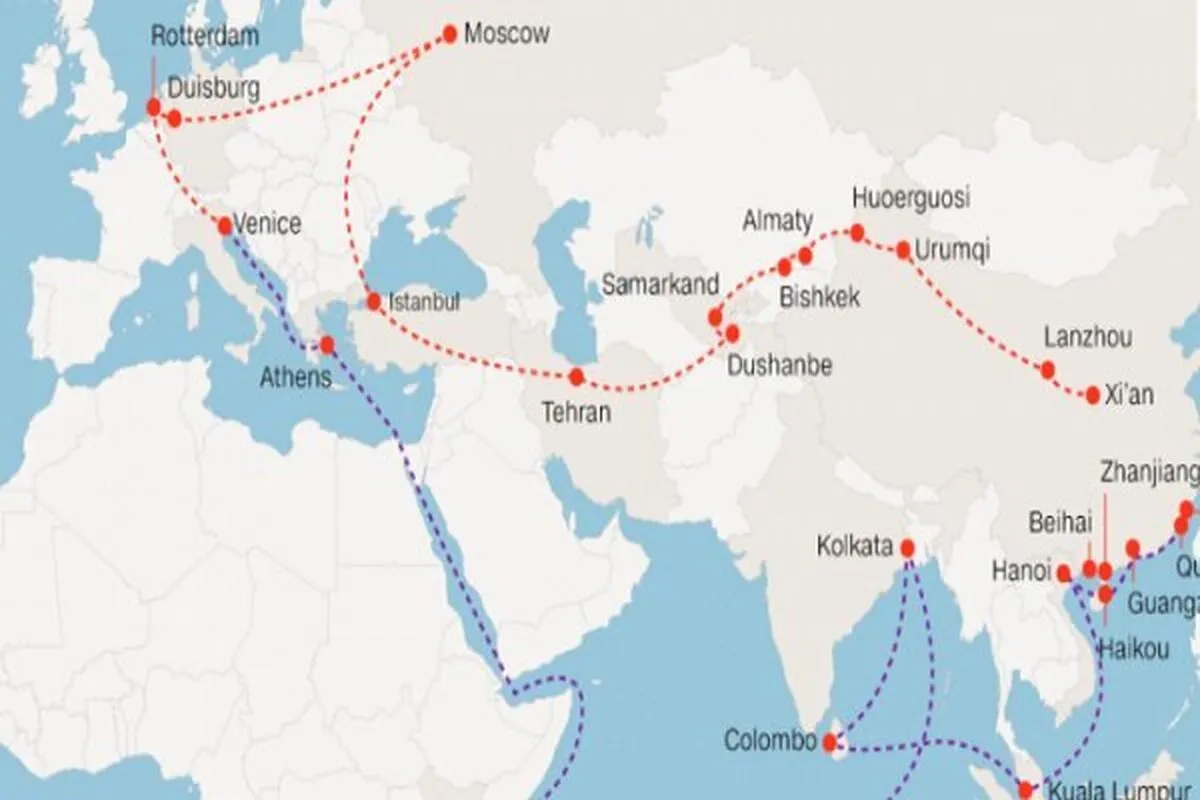
Explaining the routes, he said three transport corridors currently connect China to the European Union. The first is the Northern Corridor through Mongolia and Russia. The second is the Middle Corridor, which branches into a rail route toward Russia and a mixed sea-rail route crossing the Caspian Sea toward Azerbaijan, Georgia and the Black Sea.
The third, long known as the Southern Corridor but inactive until now, passes through Iran and dates back 2,000 years to the original Silk Road.
He emphasized that Iran’s rail diplomacy and recent meetings in Beijing and Istanbul focused on activating the Southern Corridor. Naqizadeh said the Beijing and Istanbul meetings led to agreements on implementing unified tariffs among all six countries, reducing transport costs. Another agreement involved cutting transit times by coordinating authorities to ensure cargo moves through each country as quickly as possible.
Highlighting early results, he said 40 trains from China have entered Iran since the start of this year, compared to only seven trains over the previous seven years.
Based on the capacity provided by this agreement, he said transit trains from China to Europe will also pass through Iran.
Referring to the annual 60 million tons of cargo transported from China to Europe by rail, Naqizadeh said that even diverting 10 percent of this flow to the Southern Corridor through Iran would bring significant economic benefits to the country. Achieving this requires completing rail links from Marand to Maku and from Bazargan to Cheshmeh Soraya, extending onward to Kars in Turkey.
He noted that related memoranda have been signed and will be finalized during an upcoming meeting between the presidents of Iran and Turkey.
Considering the Northern Corridor’s disruptions due to the Ukraine-Russia conflict and the Middle Corridor’s multimodal complications—requiring Caspian Sea crossings, higher costs, and slower transit—Naqizadeh argued that the fully rail-based Southern Corridor will be the most attractive option for cargo owners.
He added that the current cost of transporting a 40-foot container from Xi’an, China to Tehran under existing tariffs is USD 4,500. The return route offers a 50 percent discount, priced at USD 2,500.
With a transit time of at most three weeks along the 9,000-kilometer route—significantly faster than maritime alternatives—he said the rail corridor will appeal strongly to traders and commercial operators./mehr