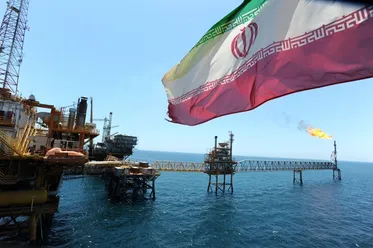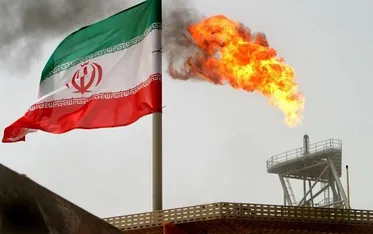
Oil prices soar, stock markets fall amid regional conflict
| 27/December/2025 | 22:49
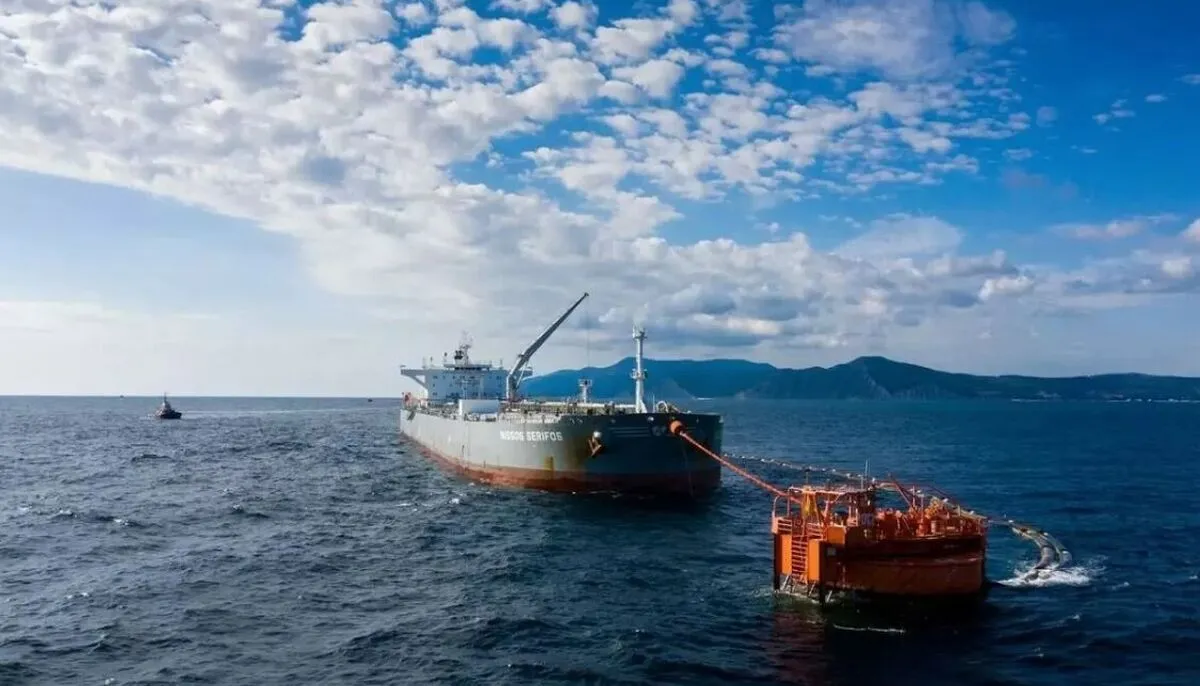
Omid Kiani, the Director of Industrial Equipment and Process Machinery Repairs at NISOC told local Iranian media on Saturday that "With proactive planning, indigenization of strategic parts, and the round-the-clock efforts of operational forces, more than 63 percent of the annual overhaul plan was achieved in 1404 (March 21, 2026-26)."
Kiani further told oil ministry news service- Shana that the maintenance management division is responsible for planning and executing major overhauls of machinery exceeding 4,000 horsepower, emergency power generators and fixed process equipment, including tanks, heat exchangers, towers, valves and other assets across production units, desalination plants, oil pumping stations, power plants, gas booster stations, gas injection facilities and gas and LPG plants in the southern oil-rich regions. He said the mission is directly linked to production sustainability and the national economy.
He said overhaul programs are prepared a year in advance based on workload estimates and the number of plants, stations and machines. He added that replacing reactive, last-minute actions with a culture of forecasting and foresight produced tangible results in 1404.
Kiani said more than 1,600 work orders were issued to the maintenance management division in 1404, most of them eligible for completion within the first eight months of the year. About 85% of those tasks were completed, a level he said is unprecedented in the history of major overhauls in the southern oil-rich regions, according to data recorded in the maintenance management system.
Addressing sanctions-related constraints, Kiani said cooperation with domestic knowledge-based companies in recent years has enabled the local design and manufacture of most sensitive parts for large, strategic turbines and process machinery, particularly hot-section components. He said about 95% of parts for some turbines above 4,000 horsepower, such as the Ruston TB-4000, are now domestically produced and operating in service.
Kiani said timely overhauls of oil and water preheaters and processing tanks ahead of the cold season improved operational flexibility and maintained crude quality for domestic use and exports, directly supporting production stability and operational efficiency.
Kiani said 22 gas plants eligible for clearance within the first eight months of the year underwent full overhauls after material shortages were addressed by the maintenance division. In some cases, technical and managerial measures reduced overhaul time from about 30 days to 12–14 days, significantly cutting flaring and gas losses.
Despite the retirement of experienced staff and hiring constraints, Kiani said training, knowledge transfer and teamwork have been prioritized. He added that the unprecedented workload was completed during Khuzestan’s summer heat exceeding 60 degrees Celsius without any accidents or near-misses, demonstrating a high level of safety maturity.
Sustaining this progress, he said, requires long-term planning, timely procurement, support for domestic manufacturing and motivating operational staff. Recent experience shows reliance on domestic capabilities can preserve production stability and minimize foreign dependence.
Kiani said outsourcing has been used alongside in-house execution to address workforce shortages, though he noted that overhauls of rotating machinery are far more complex and costly than work on static equipment. A gas turbine overhaul, he said, can cost up to 10 times more than a tank overhaul and requires close engineering oversight.
He said maintenance staff continue to supervise contracts, conduct technical inspections and resolve execution challenges, while the division’s technical inspection unit has developed specialized expertise recognized at the National Iranian Oil Co. and the Oil Ministry levels.
In some outsourced projects, Kiani said, overhauls were completed for equipment that lacked spare parts lists. He cited a U.S.-made compressor whose components were reverse-engineered, domestically manufactured and successfully returned to operation under full supervision by in-house experts.
Kiani highlighted the revival of the Rolls-Royce gas generator test center near the Aghajari central workshop as a major achievement. The facility, designed and operated under Rolls-Royce license, had been out of service since 1393 (2014) due to an accident and technical issues. He said reconstruction and optimization are now underway through tenders and private-sector participation, enabling the center to meet internal needs and offer testing services to other companies, including the National Iranian Gas Company and pipeline and telecommunications firms.
Kiani said part of the division’s work involves diesel generators and emergency power units critical to safety and firefighting. While some services were outsourced due to backlog, the internal workshop has been revived through contractor-based hiring, expanding repair teams.
He said the goal is to perform as many maintenance services as possible within Khuzestan province to support employment and retain financial circulation locally. Numerous domestic companies now cooperate with the maintenance division through outsourcing arrangements, delivering positive results alongside in-house capabilities.
Kiani said under the approved plan, about 47% of targets were to be achieved by the end of Azar (November), but data from the maintenance system show more than 63% of the annual program completed, putting the division about 16% ahead of schedule. He said the results were achieved despite workforce limitations, harsh weather, extreme spring and summer heat in Khuzestan, a 12-day imposed war and material shortages.
He cited the recruitment of young workers under volume-based contracts as a short-term measure to reduce outsourcing, facilitate knowledge transfer and create jobs, while also lowering costs.
Kiani stressed the importance of hands-on training alongside experienced staff, noting that specialized courses in welding, safety and new equipment have been held to embed a culture of continuous technical learning.
Kiani said cooperation with knowledge-based firms has enabled the use of advanced technologies such as additive manufacturing and metal 3D printing to produce integrated, higher-quality components. While such technologies require investment, he said they reduce long-term costs and improve overhaul quality.
He added that aging equipment has increased unplanned breakdowns, placing additional pressure on staff. However, on-site presence by managers and rapid decision-making have helped minimize overhaul duration and production downtime.
Kiani said turbine and compressor availability directly affects gas production control, flaring reduction and environmental protection. Faster station repairs and quicker returns to service have produced measurable reductions in emissions and gains in output.
He identified skilled human resources as the biggest future concern for maintenance operations, warning that failure to retain qualified staff would undermine performance. Despite existing constraints, he said efforts continue to motivate, train and support employees to preserve this critical human capital./mehr