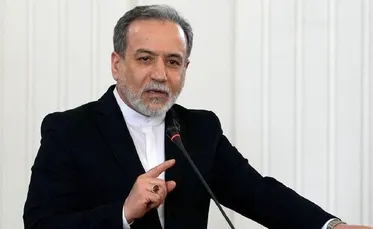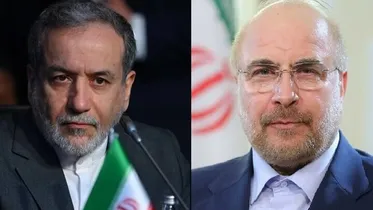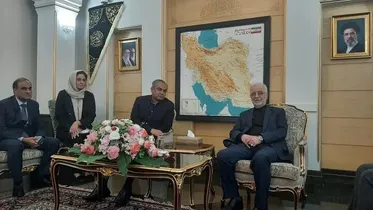
Pakistan Interior Minister arrives in Tehran for talks
| 08/February/2026 | 22:24
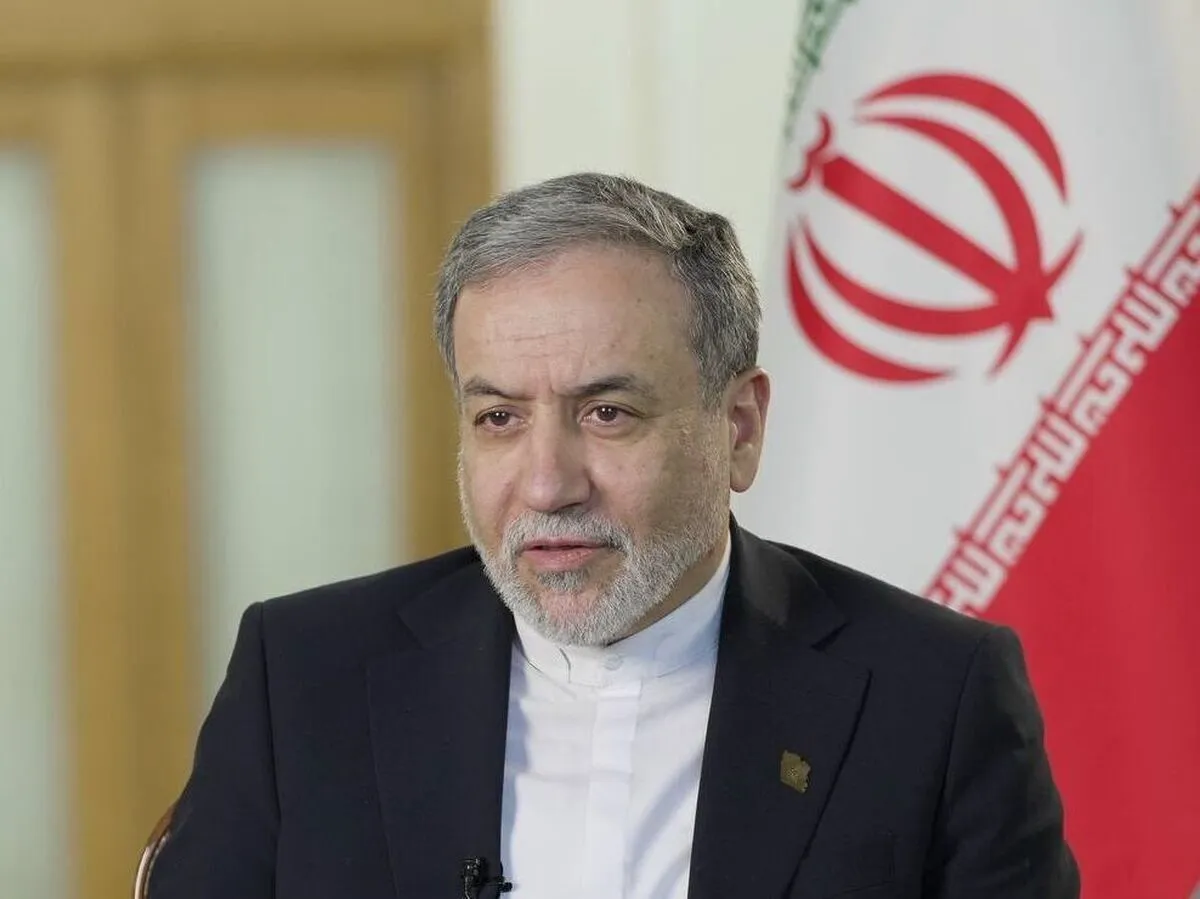
Speaking at a press conference on the sidelines of the first national congress on foreign policy and the history of foreign relations in Tehran on Sunday, Araghchi said Iran entered the talks with a full understanding of past experiences, describing the first session in Muscat as largely exploratory.
The first meeting was mainly a test of seriousness and trust, Araghchi said, adding that both sides were assessing whether the other was genuinely prepared to pursue a negotiated solution.
He stressed that negotiations were limited strictly to the nuclear issue and would remain so if talks continued. The results of Friday’s discussions are under review, and a decision on future rounds will be made based on assessments in Tehran and Washington, he noted.
Araghchi acknowledged mixed signals from the US, saying some indications suggested seriousness, while the continuation of certain sanctions and military activities raised doubts about Washington’s intentions. All these signals will be evaluated together, he said.
The foreign minister downplayed the importance of the format of the talks, mediated by Oman’s foreign minister, saying indirect negotiations were common in international relations and posed no obstacle to reaching an agreement. What matters is the content, not the format, he emphasized, adding that real obstacles lie in unrealistic demands and excessive claims.
Araghchi said Iran was prepared to consider confidence‑building measures within its nuclear program, provided they were matched by tangible sanctions relief. Details, he said, would be addressed during negotiations.
He noted that the time and venue of the next round had not been finalized and could change, as in previous rounds, but said talks would remain indirect.
Highlighting a key difference from the 2013–2015 negotiations that led to the 2015 nuclear deal, Araghchi said regional countries were now playing a more active supportive role through consultations, including Turkiye, Saudi Arabia, Qatar, the UAE, Egypt, Pakistan, and Azerbaijan. He said China and Russia had also been kept informed.
Araghchi highlighted that Iran would not accept demands for zero enrichment, calling uranium enrichment a non‑negotiable national achievement. This has become a matter of national pride, he said, adding that missile and regional issues were not, and had never been, on the agenda./irna